Safe & Sound Protocol
with Heather
You’ve done so much inner work. You’d like everyday life to feel easier, too.
You understand your patterns. You have tools. And yet, you still find yourself bracing, overthinking, or getting overwhelmed by things you thought you’d worked through.
The Safe & Sound Protocol is a guided listening approach designed to support nervous system regulation—offering another way to work with your body as you move toward feeling more settled and connected.
Together, we’ll explore whether SSP is right for you and approach it at a pace that respects your needs.
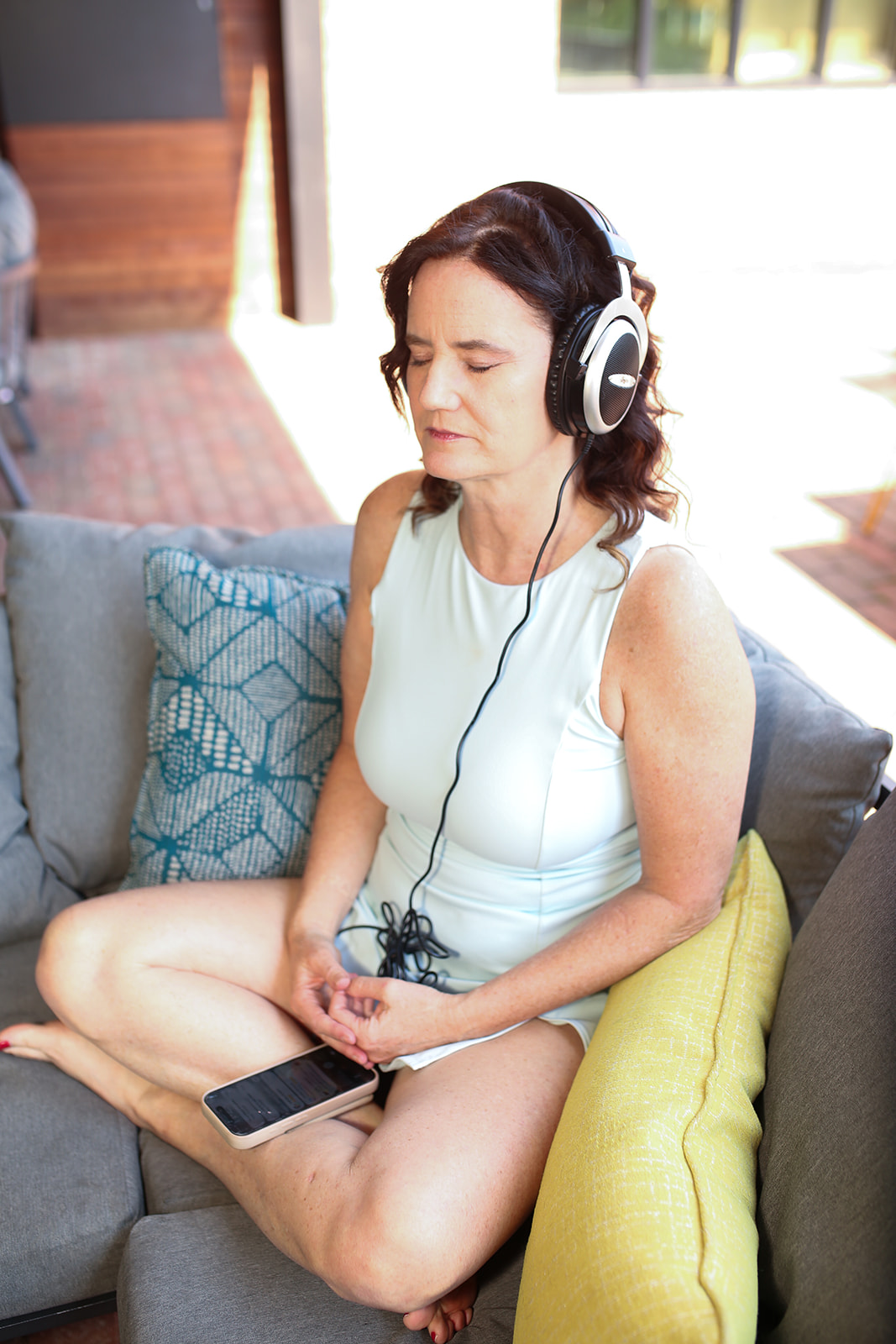
The Safe and Sound Protocol (SSP) is a powerful listening therapy designed to help regulate the nervous system, so you can better connect with yourself, others and the world around you.
You can understand yourself deeply and still feel on edge.
Maybe you recognize yourself here:
You’re exhausted at the end of the day, but settling down feels difficult.
A conversation stays with you long after it’s over.
You know you want to speak up, but you find yourself holding back.
Money decisions take up more space in your head than you’d like.
You want connection, but sometimes even being around people feels like a lot.
You catch yourself thinking, “Why is this still so hard after everything I’ve worked on?”
You may already have a lot of insight into these experiences.
What you’re looking for now is support that includes how they feel in your body.
What is the Safe & Sound Protocol?
The Safe & Sound Protocol, or SSP, uses specially filtered music and the support of a trained provider to work with the nervous system.
Developed by Dr. Stephen Porges and informed by Polyvagal Theory, it is designed to support regulation and connection through listening.
You listen through headphones, following an individualized plan. We stay in communication about your experience and adjust along the way.
There is nothing you need to achieve while you listen.
You don’t have to find the perfect thought or talk yourself into relaxing.
Your part is to notice what you’re experiencing and share that with me. My part is to help guide the process.
Audio Frequency Visualization
Highlights human vocal frequencies to send signals of social safety to the middle ear & vagus nerve.
As you listen, these highlighted frequencies send cues of safety to retune your nervous system, helping you feel more settled, engaged, and balanced.
See how the Safe & Sound Protocol works
A short introduction to the science and listening experience behind SSP.
A different way to support the work you’re already doing.
You might be someone who can explain exactly why a situation is difficult—and still feel your shoulders tighten when it happens.
That can be frustrating, especially when you’ve put so much effort into understanding yourself.
SSP brings a listening-based approach into that work. Its music is filtered to emphasize features of sound associated with the human voice, with the aim of supporting the nervous system’s response to cues of safety.
This gives us another way to approach regulation alongside the insight, relationships, and practices that already support you.
The Polyvagal Foundation
Developed by Dr. Stephen Porges
Social Engagement State
When we feel safe, the ventral vagal pathway allows us to feel calm, present, open to connection, and resilient.
Mobilization (Fight / Flight)
The sympathetic system fires when danger or overwhelm is perceived—tight muscles, racing thoughts, bracing.
Immobilization (Freeze / Shutdown)
When overwhelm persists, the dorsal vagal pathway shuts down energy—causing exhaustion or feeling disconnected.
What can change when your nervous system is more regulated?
When you spend less energy feeling on edge or overwhelmed, there can be more room for everyday life. Nervous system regulation can support:

An easier response to stress
Something unexpected happens, and you have more room to respond. You may recover sooner instead of carrying that stress through the rest of your day.

More emotional steadiness
You still feel frustration, sadness, and uncertainty—but those feelings may feel more manageable. You can move through them without getting as overwhelmed or stuck.

More restful sleep and an easier time unwinding
Settling down may come more easily. You can begin to rest without feeling like part of you is still on duty.

Clearer thinking and better focus
When less of your attention is caught up in stress, it can become easier to concentrate, make decisions, and be present with what you’re doing.

More ease in relationships
You may feel more comfortable connecting with others, expressing what you need, and staying present during a difficult conversation.

More capacity to enjoy your life
There can be more space to notice what feels good—to laugh, be curious, enjoy someone’s company, or take in a quiet moment.
The goal is to feel more able to meet life, recover from challenges, and return to yourself.
These are possible benefits of improved regulation, not guaranteed outcomes of SSP. Everyone’s experience is different.
What clients are saying
Real experiences from people exploring nervous system regulation and building a different way forward.
I’m coming back to my fun.
I don’t think I could have made the change I did with moving if I hadn’t been doing SSP. In the past, worrying about money was what stopped me from making changes. This time, that wasn’t what held me back. I feel more regulated and grounded, and I’m able to see the funny things in life again. I feel like I’m coming back to my fun.
I’m putting myself in the equation.
In the past, I would have left myself out of the equation when it came to what I really wanted. Now I’m asking for what I want and need. In a situation with a client, I was able to say, “This isn’t going to work for me,” where before I would have dropped everything for them. I’m not getting as triggered, and I’m able to calm myself down more easily.
My relationship to myself is significantly different.
I have a foundation that wasn’t there before. Life can still be hard, but I feel more able to hold myself through it. I don’t believe my initial reactions in the same way, and when I’m exhausted or reach my limit, I don’t feel like I’ve failed. The quality of my relationship is significantly different. My relationship to myself is significantly different.
I can see a plan for my life.
I used to avoid dealing with money altogether. Now I can look at what’s going on, talk about it, and take action. I’m not getting stuck in the same spirals. Where things used to feel impossible, I can see a plan for my life. I don’t know exactly how everything will happen, but I can take it step by step.
Personal Support. A Pace That Works For You.
When we work together, I want to understand what life feels like for you.
What tends to overwhelm you? What helps you feel supported? What’s happening in your world right now? What would you like to feel different?
Those conversations are an important part of your SSP journey.
I bring my background in counseling, my work as a nervous system and Human Design coach, and my training as a certified SSP provider to our work together.
You can tell me when something feels like too much. You can ask questions. You can need a slower pace.
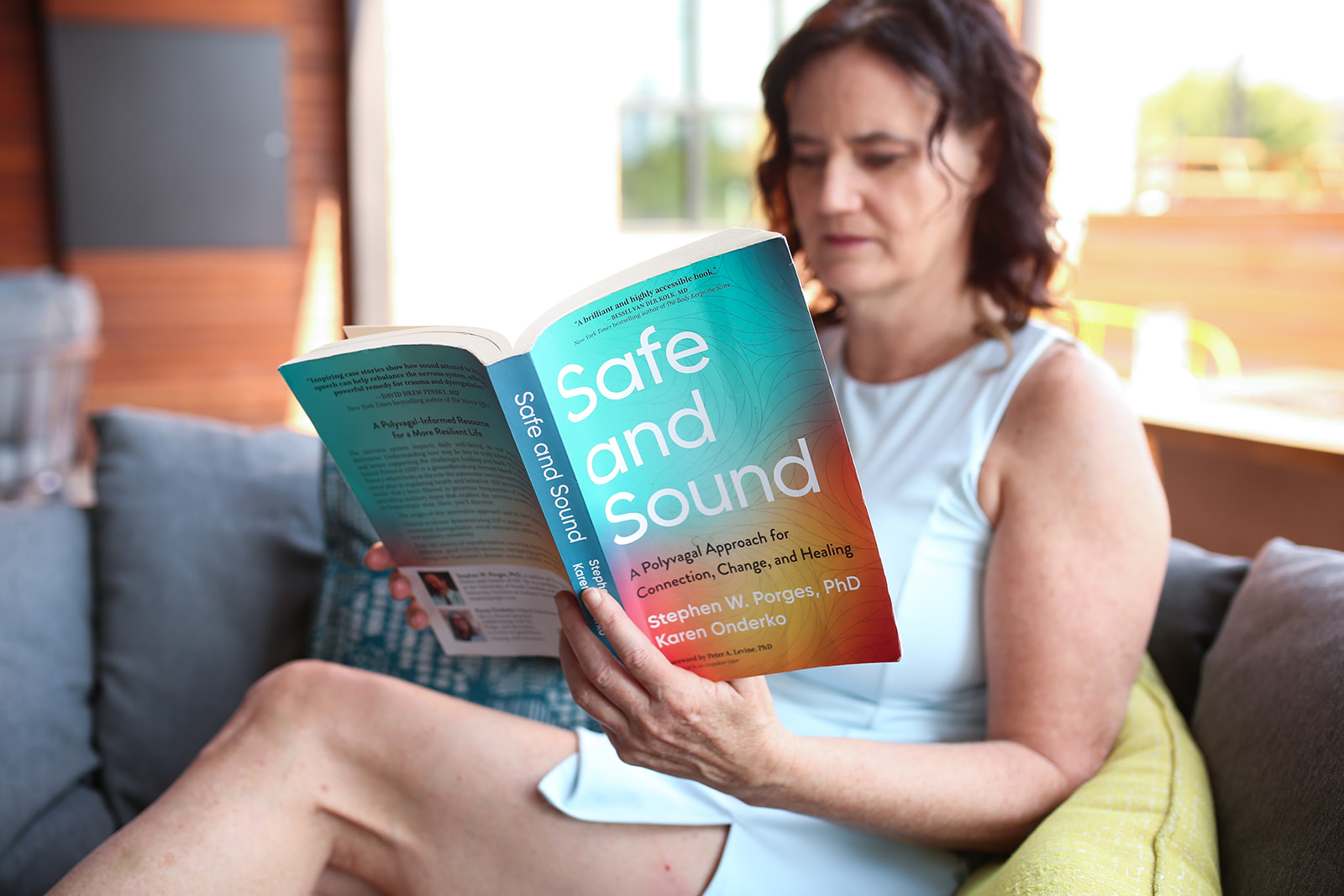
Trauma-Informed & Individualized Guidance
SSP is not a one-size-fits-all playlist. Your nervous system safety, pacing, and readiness are at the center of every session we map out together.
What working together looks like
We start with a conversation.
We’ll talk about what brings you here, the support you already have, and whether SSP seems like an appropriate next step. You’ll have space to ask questions and understand the approach before deciding.
We prepare together.
Before listening begins, we’ll discuss your setup, what to notice, and how we’ll stay in touch. You’ll know what to do if you have questions or something feels uncomfortable.
We find your pace.
Listening is individualized. We’ll consider your response and adjust the plan as needed, including taking breaks.
We make room to reflect.
Our check-ins give us time to talk about how you’re doing, what you’re noticing in daily life, and what support would be useful next.
Hey, I’m Heather.
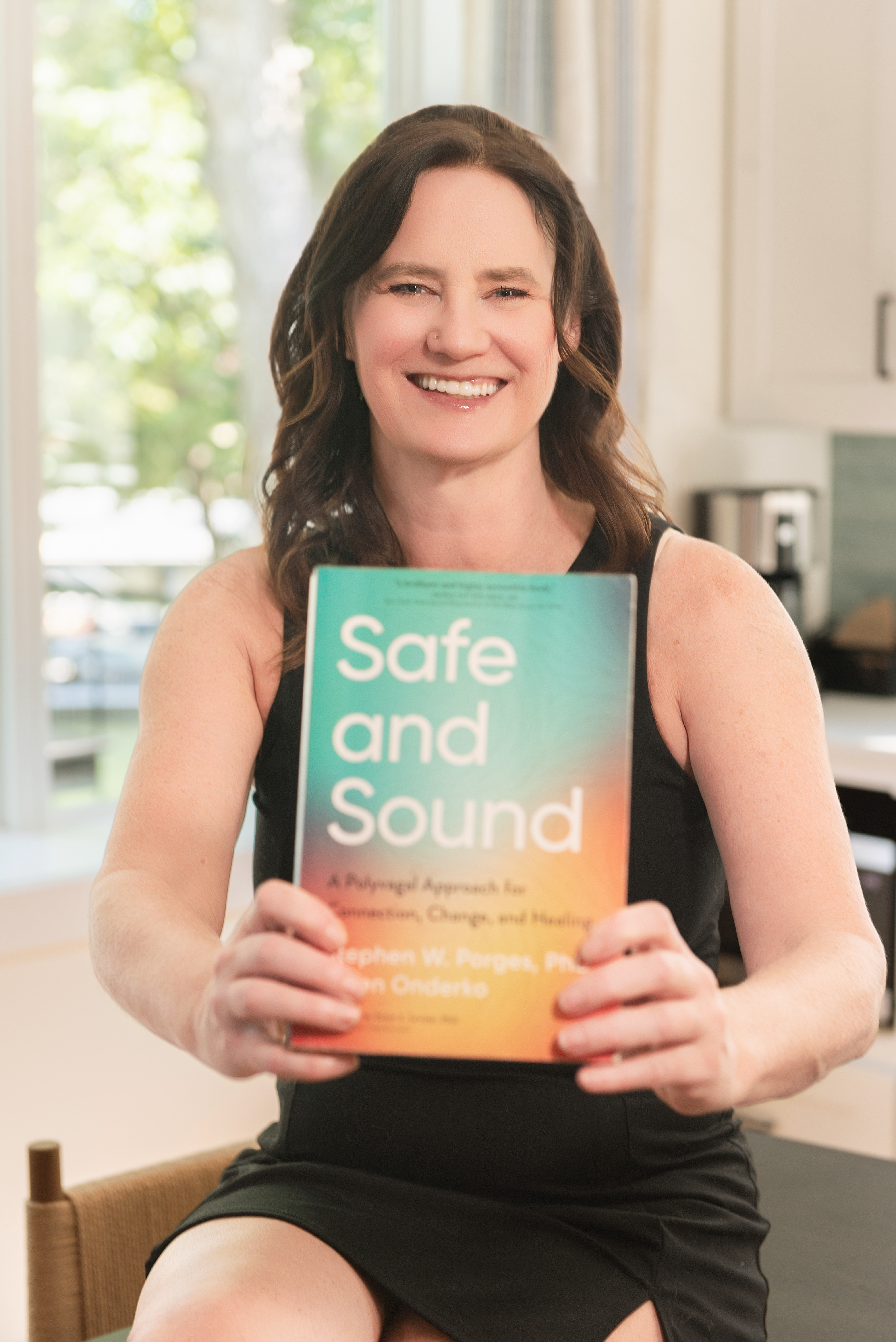
I work with entrepreneurs who have spent years working on themselves but still find themselves reacting to the same old triggers.
They want to grow. They have ideas, skills, and a real desire to do their work in the world. Yet when it’s time to become more visible, deal with money, receive support, or take on more, they find themselves hesitating, overthinking, or pulling back.
I describe this as an Expansion Threat Response—when the growth you want also feels threatening.
Over time, that can become an Expansion–Protection Loop: you move toward something you want, feel uncomfortable or overwhelmed, and pull back. Pulling back brings some relief, but the desire is still there. Eventually, you try again—and find yourself in the same place.
Sometimes the difficulty is taking the next step. Sometimes it’s feeling able to hold what happens when you do.
These are names I use to describe a pattern you may recognize in yourself.
My work brings together nervous system support, Human Design, Sacred Money Archetypes, and energy clearing to help you understand that pattern and explore a different way forward. My background includes a master’s in counseling, years of supporting people through personal change, and certification as a Safe & Sound Protocol provider.
SSP is the foundation of my work as it creates space within you to allow all of the other work to "work.".
I help you build toward feeling more at peace with yourself and money, handling stress differently, and making changes that have felt out of reach.
Because the life and business you want need room for you to feel supported, too.
A few things you might be wondering
No. SSP uses music that has been specifically filtered for this intervention. It is delivered with guidance from a trained provider, rather than used as a general relaxation playlist.
You don’t have to figure out the next step on your own.
If you’re curious about SSP, let’s talk.
Bring your questions. Tell me what’s been difficult and what you’d like to feel different.
We’ll explore whether this approach—and working together—feels like a good fit for you.
A conversation about you, what you need, and where to go from here.